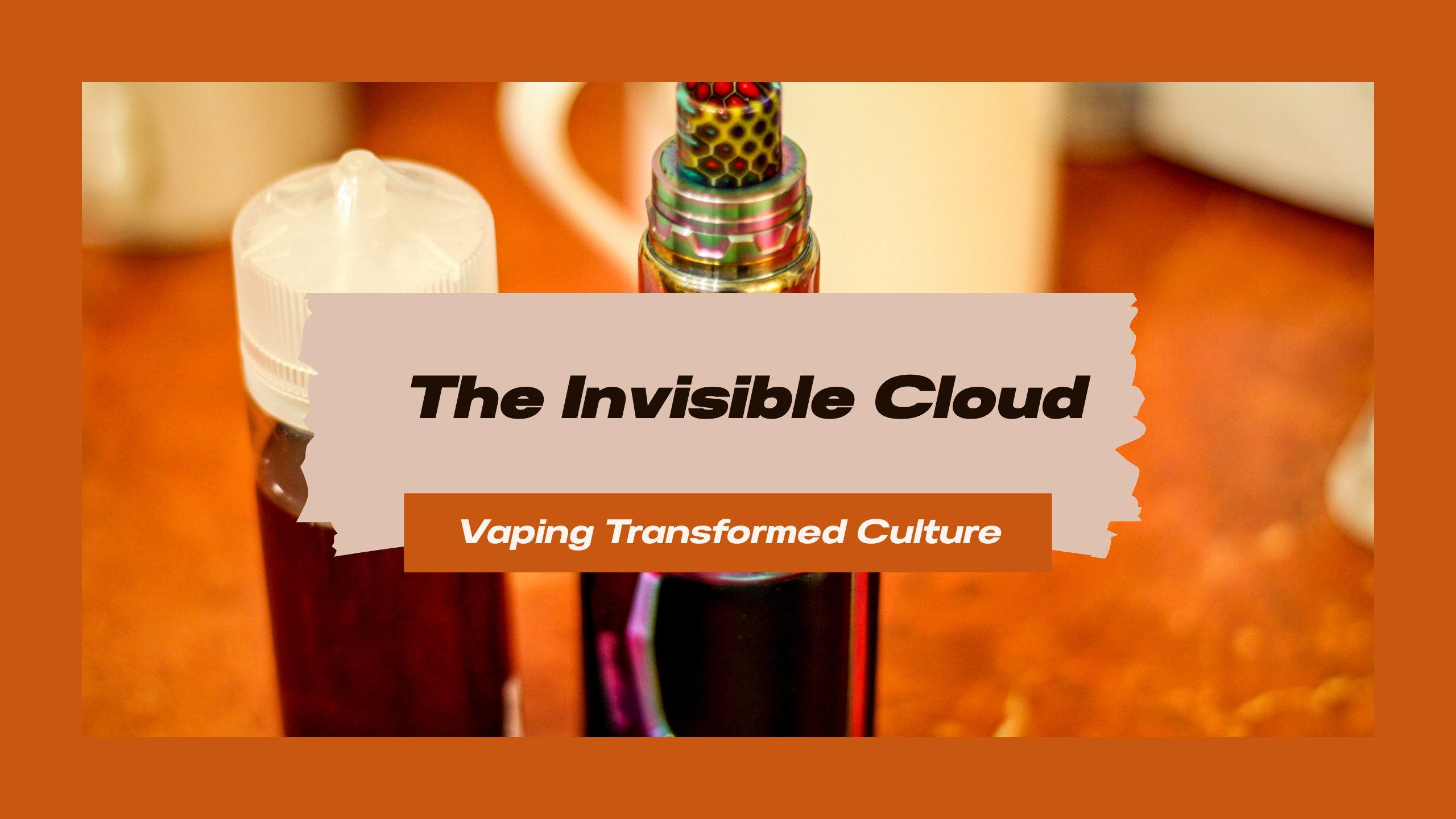
In just over a decade, vaping has evolved from a niche smoking cessation tool to a multi-billion dollar industry that has fundamentally altered how society thinks about nicotine consumption, harm reduction, and youth culture. But beneath the clouds of vapor lies a complex story of innovation, regulation, controversy, and unintended consequences.
From Pharmacies to Pop Culture
The modern e-cigarette was invented in 2003 by Hon Lik, a Chinese pharmacist who wanted to help his father quit smoking. His original vision was simple: create a device that could deliver nicotine without the thousands of toxic chemicals produced by burning tobacco. What started as a medical innovation quickly became something much larger.
By 2015, “cloud chasing”—the practice of creating massive vapor clouds through modified devices—had become a competitive sport. Vape shops transformed from clinical cessation centers into lifestyle boutiques, complete with tasting bars and custom mod workshops. The culture around vaping began to take on a life of its own, separate from its smoking cessation origins.
The Science Behind the Vapor
Understanding vaping requires understanding what’s actually happening inside these devices. Unlike traditional cigarettes that burn tobacco at temperatures exceeding 800°C, vaporizers heat e-liquid (typically containing propylene glycol, vegetable glycerin, flavorings, and often nicotine) to around 200-250°C.
This lower temperature means avoiding combustion entirely—the process that creates most of tobacco’s harmful compounds like tar and carbon monoxide. Public Health England famously concluded that vaping is “at least 95% less harmful than smoking,” though this figure remains debated in scientific circles.
The Flavor Controversy
Perhaps no aspect of vaping has generated more controversy than flavors. With options ranging from traditional tobacco to “unicorn milk” and “birthday cake,” critics argue these flavors specifically target youth. Supporters counter that flavors help adult smokers transition away from tobacco.
The data tells a complex story. While youth vaping rates have indeed increased significantly, adult smoking rates have continued their decades-long decline. Whether vaping is accelerating this decline or creating new nicotine users remains hotly debated among public health experts.
Regulatory Whiplash
Governments worldwide have struggled to regulate vaping effectively. Some countries, like Australia and Thailand, have implemented near-total bans. Others, like the UK, actively promote vaping as a smoking cessation tool. The United States has taken a middle path, with extensive FDA oversight that has eliminated most flavored products from retail stores while allowing tobacco and menthol options.
This regulatory patchwork has created a global natural experiment in different policy approaches, with real-world outcomes still unfolding.
The Youth Question
The elephant in the room is teenage vaping. Data from the CDC shows that millions of American teenagers have used e-cigarettes, raising concerns about a new generation becoming addicted to nicotine. Schools report widespread vaping in bathrooms, and “Juuling” became a verb among teenagers.
However, the picture is nuanced. Teen vaping rates peaked around 2019 and have since declined, coinciding with increased regulation and education efforts. Meanwhile, teen smoking rates have continued to fall to historic lows.
Economic Disruption
The rise of vaping has created economic winners and losers. Traditional tobacco companies, after initially dismissing e-cigarettes, have invested billions in the sector. Independent vape companies have created new supply chains and retail channels. Meanwhile, many tobacco farmers and cigarette retailers have seen their livelihoods threatened.
The economics extend beyond industry profits. Healthcare systems potentially save billions in smoking-related treatment costs, while governments lose substantial tax revenue as cigarette sales decline.
Looking Forward: The Next Chapter
As we look to the future, several trends are shaping the vaping landscape:
Technology Evolution: Newer devices offer better battery life, temperature control, and smartphone connectivity. Some companies are exploring tobacco-free nicotine alternatives derived from tomatoes and other plants.
Medical Applications: Researchers are investigating vaporized cannabis for pain management and other therapeutic applications, potentially expanding vaping beyond nicotine.
Regulatory Maturation: As more long-term data becomes available, regulations are likely to become more sophisticated, potentially differentiating between products based on their specific risk profiles.
Cultural Integration: Vaping is becoming normalized in many societies, with designated vaping areas and workplace policies treating it differently from smoking.
The Unresolved Questions
Despite over a decade of use by millions of people, significant questions remain about vaping’s long-term effects. While clearly less harmful than smoking, the absolute long-term risks are still being studied. The impact on adolescent brain development, potential gateway effects, and optimal regulatory frameworks remain subjects of ongoing research and debate.
Conclusion: Living in the Cloud
The vaping revolution illustrates how a simple technological innovation can have far-reaching, unintended consequences. What began as a smoking cessation tool became a cultural phenomenon that challenged traditional tobacco control approaches and forced society to grapple with questions about harm reduction, youth protection, and personal choice.
Leave a Reply