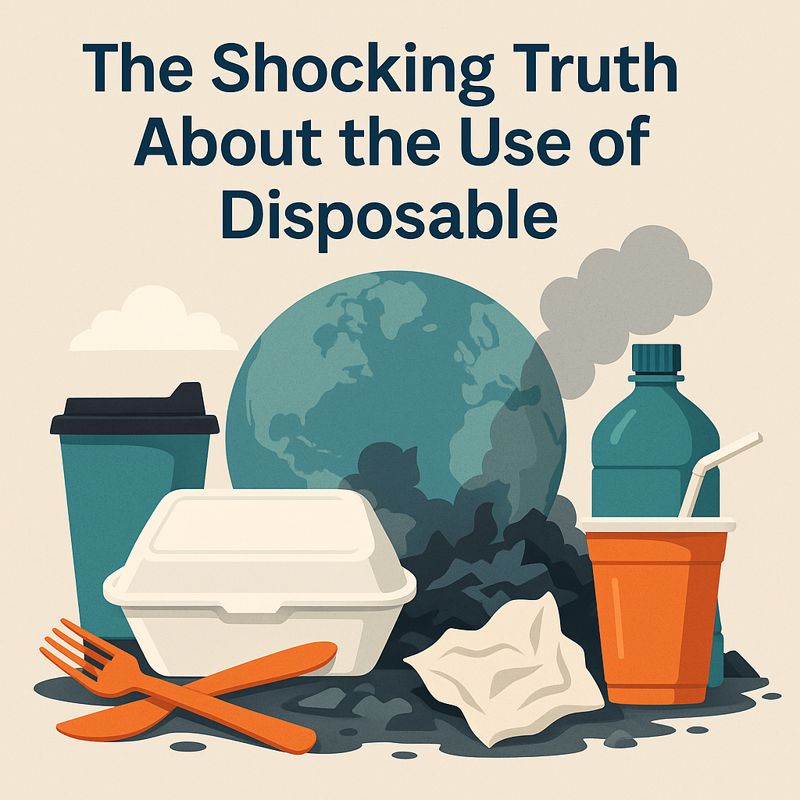
Understanding the Use of Disposable in Daily Life
The use of disposable products has become a normal part of modern living. From paper cups and plastic cutlery to medical gloves and masks, disposable items are everywhere. They are designed for single use and quick disposal, making life easier and often safer. However, while they bring convenience, they also raise serious questions about sustainability and responsibility.
In the first 10% of our daily routines—morning coffee cups, takeaway packaging, tissues—we already rely heavily on disposable items. This widespread dependence shows how deeply disposables are embedded in our lifestyles.
What Does “Disposable” Mean?
Disposable products are items intended to be used once or for a short period before being thrown away. They are usually made from plastic, paper, or lightweight materials. The main idea behind disposables is convenience and hygiene.
Why Disposable Products Became Popular
The rise in population, urban living, and fast-paced lifestyles fueled the demand for disposables. Businesses and consumers alike prefer quick, low-maintenance options. In healthcare, disposables also reduce the risk of infection, making them essential.
Common Areas Where the Use of Disposable Is Essential
Healthcare and Medical Industry
Hospitals depend heavily on the use of disposable items such as syringes, gloves, masks, and gowns. These products prevent cross-contamination and protect both patients and healthcare workers. In this field, disposables are not a luxury—they are a necessity.
Food, Packaging, and Hospitality
Restaurants, street vendors, and delivery services rely on disposable plates, cups, and packaging. These items ensure hygiene and speed, especially in high-demand environments.
Household and Personal Care
From diapers and wipes to cleaning cloths and tissues, disposable products make household chores easier and more efficient.
Advantages of the Use of Disposable Products
Convenience and Time-Saving Benefits
One of the biggest advantages of disposables is convenience. There is no need to wash, store, or maintain them. This saves time, water, and effort, especially in busy households and businesses.
Hygiene and Safety Improvements
Disposable items significantly reduce the spread of germs. This is why they are widely used in hospitals, food handling, and personal care. According to health experts, single-use products help maintain cleanliness in sensitive environments (source: World Health Organization – https://www.who.int).
Disadvantages and Environmental Concerns
Pollution and Waste Generation
The downside of the use of disposable products is the massive amount of waste they create. Plastic disposables can take hundreds of years to decompose, filling landfills and oceans.
Long-Term Environmental Impact
Improper disposal leads to soil, water, and air pollution. Wildlife often mistakes plastic waste for food, causing severe harm. Over time, this affects the entire ecosystem and human health.
Sustainable Alternatives to Disposable Products
Biodegradable and Eco-Friendly Options
Many companies now offer biodegradable plates, cups, and packaging made from bamboo, sugarcane, or paper. These options reduce environmental damage while keeping the benefits of disposables.

HAYATI PRO MAX 4000 PUFFS AT BEST PRICE
Reusable Solutions for Everyday Life
Reusable bags, bottles, and containers are excellent substitutes. Using these items regularly can significantly cut down waste without sacrificing convenience.
Responsible Use of Disposable Items
Reducing Overuse and Waste
Being mindful is key. Use disposable items only when necessary. Small changes, like carrying a reusable bottle, can make a big difference.
Recycling and Proper Disposal
Always dispose of disposable products correctly. Recycling where possible helps reduce landfill waste and conserves resources.
FAQs About the Use of Disposable
1. Why is the use of disposable products increasing?
Because they offer convenience, hygiene, and time-saving benefits in modern lifestyles.
2. Are disposable products bad for the environment?
Yes, especially plastic disposables, if not managed or recycled properly.
3. Can disposable items be eco-friendly?
Yes, biodegradable and compostable disposables are better alternatives.
4. Is the use of disposable necessary in healthcare?
Absolutely. Disposables help prevent infections and ensure patient safety.
5. How can individuals reduce disposable waste?
By choosing reusable items and limiting unnecessary single-use products.
6. What is the future of the use of disposable products?
The future lies in sustainable, biodegradable, and responsibly used disposables.
Conclusion: Finding the Right Balance
The use of disposable products is a double-edged sword. On one hand, they provide hygiene, safety, and unmatched convenience. On the other hand, they pose serious environmental challenges. The solution is not to eliminate disposables completely, but to use them wisely, choose eco-friendly options, and reduce unnecessary waste. By finding the right balance, we can enjoy the benefits of disposables while protecting our planet for future generations.
Leave a Reply