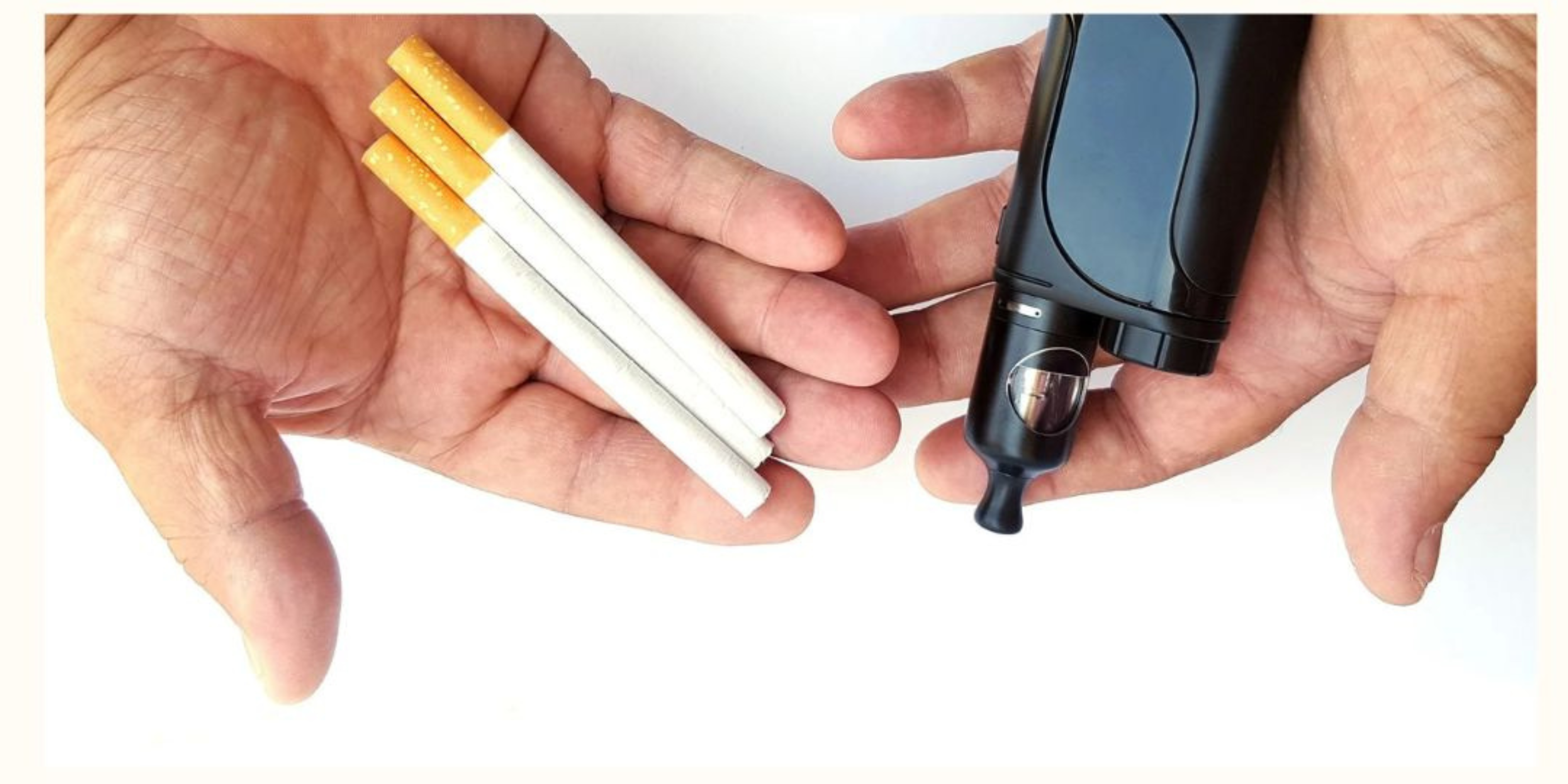
In recent years, vaping has emerged as a popular alternative to traditional smoking. While both involve inhaling substances into the lungs, vaping and smoking differ significantly in their composition, effects, and health risks. Understanding these differences can help you make more informed choices about your habits.
1. What is Smoking?
Smoking typically involves burning tobacco and inhaling the resulting smoke. This can be in the form of cigarettes, cigars, or pipes. Tobacco smoke contains thousands of chemicals, many of which are toxic or carcinogenic. Nicotine, the addictive substance in tobacco, is absorbed through the lungs and quickly reaches the brain, providing a stimulant effect.
Key Points About Smoking:
-
Releases harmful chemicals like tar, carbon monoxide, and formaldehyde.
-
Strongly associated with lung cancer, heart disease, and respiratory issues.
-
Produces second-hand smoke, affecting those around you.
-
Highly addictive due to nicotine content.
2. What is Vaping?
Vaping involves inhaling vapor created by an electronic device known as an e-cigarette. The device heats a liquid (commonly called e-liquid or vape juice) that usually contains nicotine, flavorings, and other chemicals. Unlike smoking, vaping doesn’t burn tobacco, which reduces the production of harmful tar and smoke.
Key Points About Vaping:
-
Produces aerosol (vapor) rather than smoke.
-
Often contains fewer harmful chemicals than traditional cigarettes.
-
Nicotine levels can vary widely depending on the device and e-liquid.
-
Generally believed to be less harmful than smoking but not risk-free.
3. Health Differences
While vaping is often marketed as a “safer” alternative, it still poses health risks:
-
Smoking: Causes chronic lung disease, cardiovascular problems, cancer, and shortened life expectancy.
-
Vaping: Can lead to respiratory irritation, nicotine addiction, and potential long-term lung damage. The long-term effects of vaping are still being studied, but some e-liquids contain harmful substances like formaldehyde or heavy metals.
4. Addiction Potential
Both smoking and vaping can be addictive due to nicotine. However, vaping devices allow users to control nicotine levels, which can make it easier for some people to reduce intake over time. That said, flavored e-liquids can attract younger users and contribute to nicotine dependence.
5. Social and Environmental Impact
-
Smoking: Produces lingering odors, second-hand smoke, and cigarette butt litter.
-
Vaping: Produces less odor and no second-hand smoke in the traditional sense, but e-waste and disposable vape devices can impact the environment.
6. Conclusion
In summary, while vaping is generally considered less harmful than smoking, it is not risk-free. Smoking exposes users to more toxic chemicals and long-term health risks, whereas vaping primarily carries risks related to nicotine and certain chemicals in e-liquids. If you’re looking to quit nicotine entirely, consulting healthcare professionals and exploring cessation programs is the safest approach.
Leave a Reply